
Immigration Evaluations
At our practice, we provide thorough and compassionate forensic immigration evaluations for clients in Maryland, Pennsylvania, Florida, and Massachusetts. These evaluations are designed to support individuals seeking relief through asylum, the Violence Against Women Act (VAWA), T Visas (for trafficking survivors), U Visas (for crime victims), and Special Immigrant Juvenile Status (SIJS).
Michele combines her extensive experience in trauma-focused therapy with specialized training in immigration evaluations, ensuring each assessment is both accurate and impactful. Her evaluations carefully document the psychological effects of trauma, helping clients present a strong, credible case in immigration proceedings. With Michele’s expertise, you can feel confident that your evaluation will be thorough, reliable, and highly supportive in the courtroom.
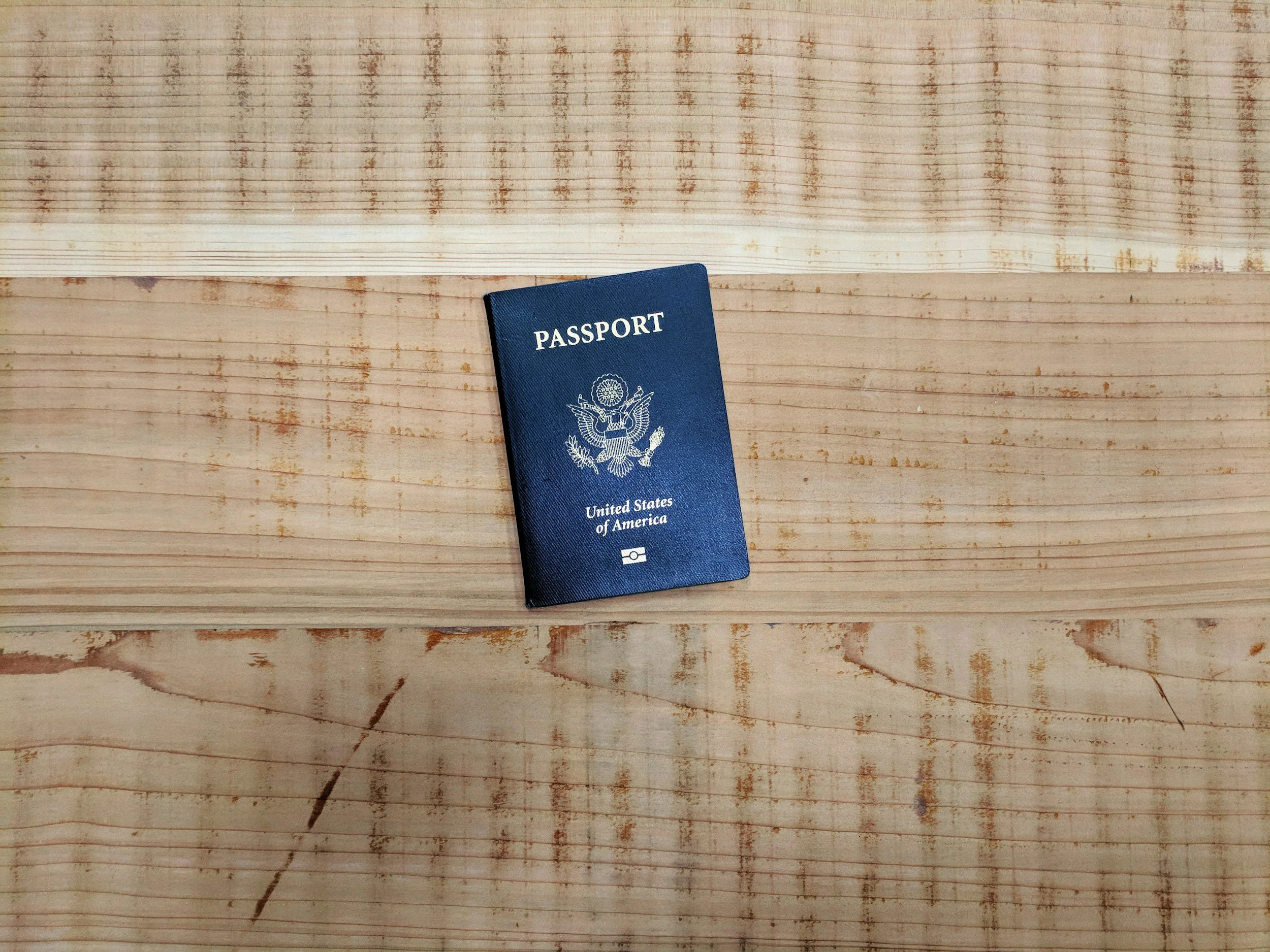

Our forensic immigration evaluations assess the psychological impact of trauma, helping individuals who have experienced abuse, trafficking, persecution, or other traumatic events document their mental health for immigration proceedings.
Forensic immigration evaluations provide objective, clinical documentation of the psychological impact of trauma, offering a clear and professional account of an individual’s mental health in the context of their immigration claim. These evaluations not only help clarify complex trauma histories but also enhance the credibility of a case by presenting findings grounded in established clinical and diagnostic methods. Research has shown that immigration cases supported by medical or psychological evaluations are granted relief at significantly higher rates — with one large study finding that about 82% of applicants with forensic evaluations received some form of immigration relief, compared with a national average of around 42% without such evaluations.
Frequently Asked Questions
Do I need an attorney to get an evaluation?
Not necessarily. You can request a forensic immigration evaluation on your own. However, most evaluations are used in court or submitted as part of a legal case, so having an attorney can help ensure your evaluation is presented effectively.
How long does the evaluation take?
Evaluations typically take 2 to 8 hours, depending on the complexity of your case and the details of your trauma history. After the evaluation, a written report is prepared and delivered within a few weeks.
Will my evaluation be kept confidential?
Yes. All information shared during the evaluation is confidential, and the findings are documented only in the written report used for your immigration case.
Do you testify in court?
Yes. Michele is available to testify in court or at immigration hearings if your case requires an expert witness to explain the evaluation and its findings.